Recurrence is the signal that matters
Around 65% of activity came from users who returned to the service, and one in three conversations chained three or more questions.

Two editions to understand how a conversational service evolves once it incorporates dynamic data and new city sources.
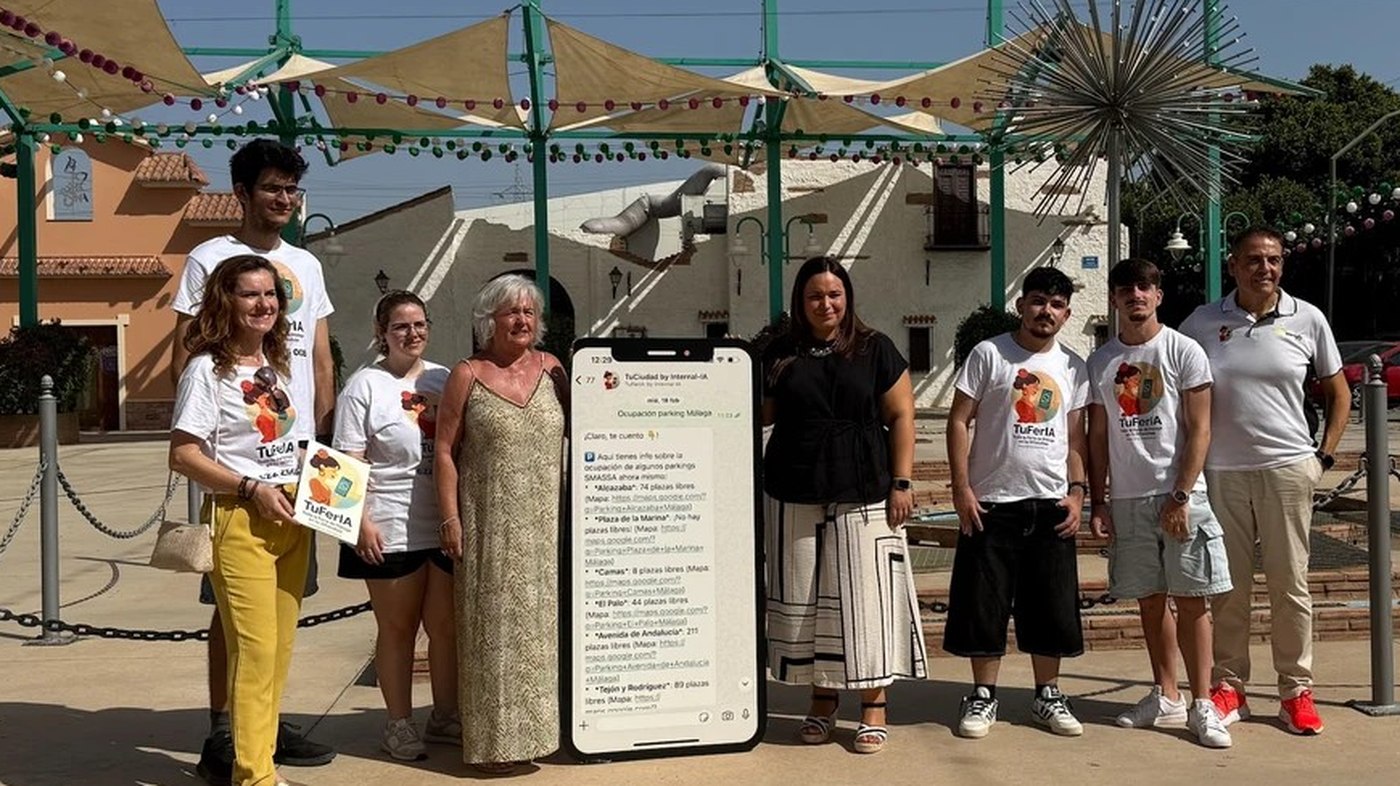
During the fair, a large share of questions cannot be resolved with fixed content. How to get there, where to park, what transport is still running or what is happening right now all depend on the time and the day.
An assistant that only repeats published content does not help in that scenario. The work therefore focused on connecting the conversation to sources that update.
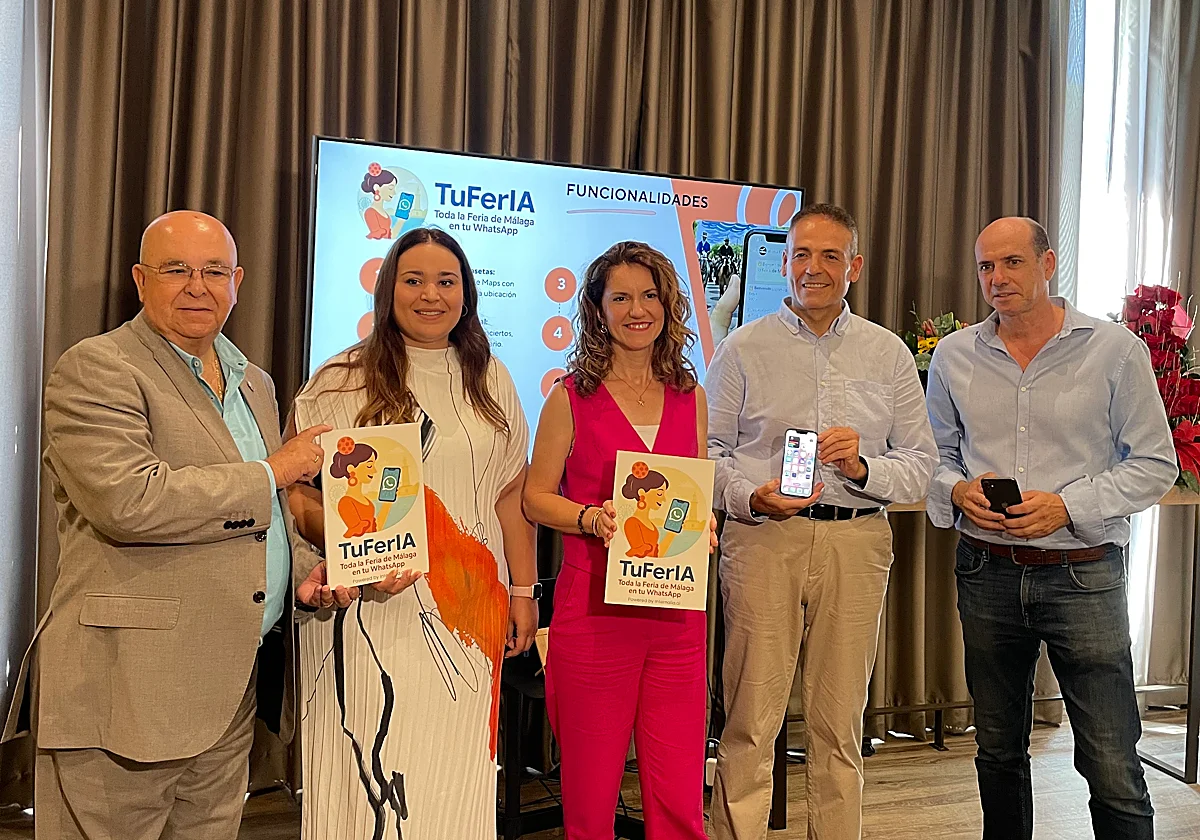
The first edition served to check whether the channel would be used. The service handled more than 25,000 messages from over 1,700 people during the week of the fair.
+25,000
messages
+1,700
users
~8.000
messages handled
~3.000
queries to dynamic sources
65%
of activity, from returning users
~800
users
Figures for the fair period. Published as approximate values, as they were communicated.
Within a single conversation, the assistant queried data from Movilidad, SMASSA, EMT, Metro de Málaga, Canal Málaga and the official programme, along with real-time occupancy of the fairground car parks.

19 out of 20
questions received a useful, immediate answer
More than half
of dynamic queries were about real-time parking availability
11%
of messages were sent between 00:00 and 06:00
12%
of conversations were in languages other than Spanish, across around ten languages
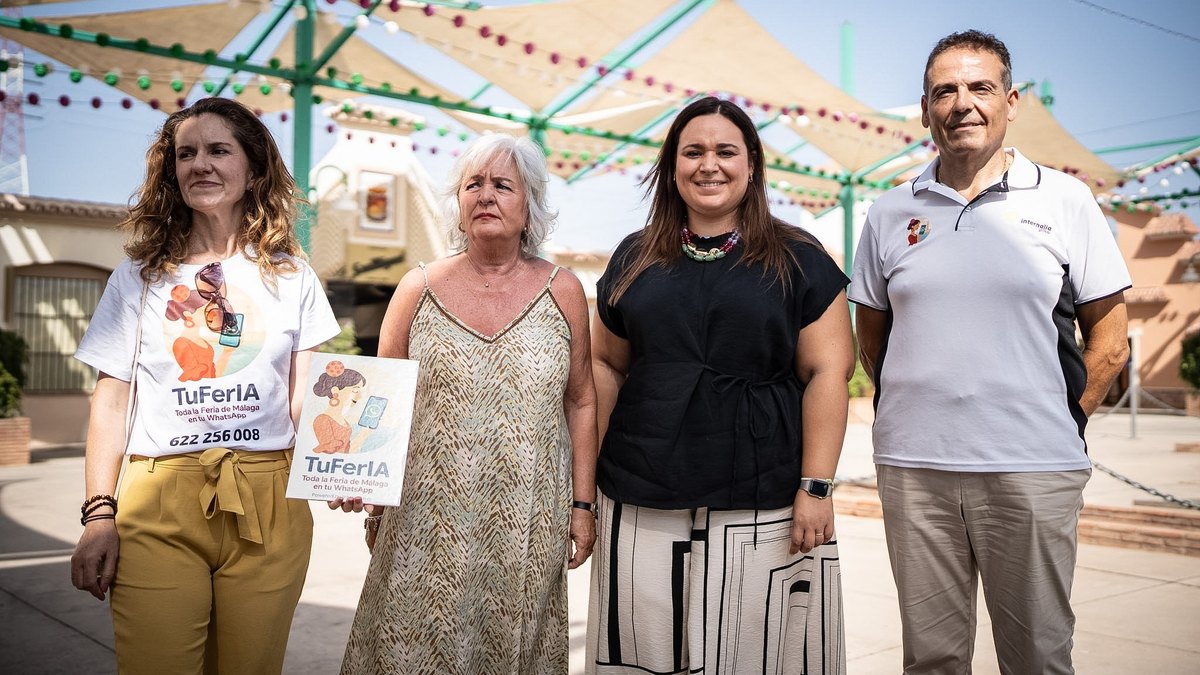
Figures published by La Opinión de Málaga on 24 August 2026. Read the article in La Opinión de Málaga
Around 65% of activity came from users who returned to the service, and one in three conversations chained three or more questions.
Close to 3,000 queries were resolved by going to sources that change during the day.
On the move and surrounded by noise, typing is awkward. Voice message support stopped being an add-on and became a natural way in.
Nobody had to be asked to download anything. The conversation happened in the app citizens already had open.
More than half of the queries to dynamic sources concerned parking availability at that moment.
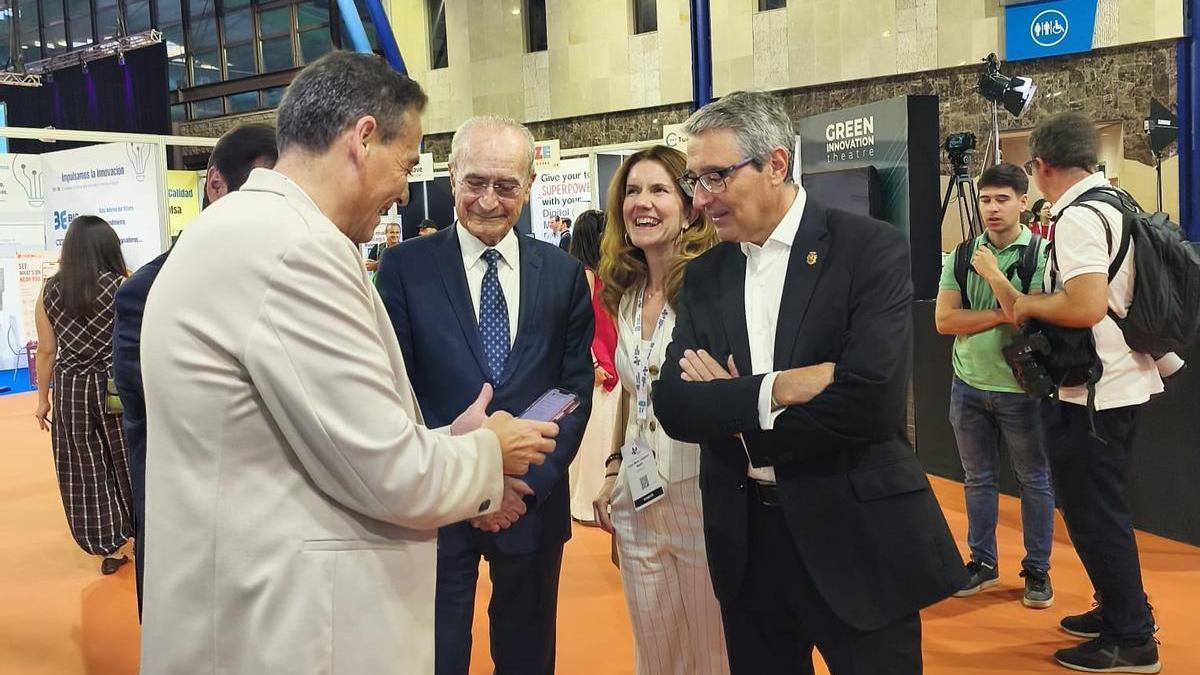
The system interprets the question in natural language, resolves which source it needs to query and composes the answer from what that source returns at that moment.
Information related to mobility, parking, EMT buses, Metro, events and other services was integrated, running continuously throughout the period and handling several languages.
TuFerIA is a use case scoped to the fair. It is not a full municipal deployment, but an example of how one concrete, measurable case serves as a starting point.
The figures for both editions come from the coverage published by the media.
2026 edition
2025 edition